Frequently Asked Questions
FAQ - Firearms & Logistics (Crucial for Overseas Guests)
Q: Do I need a New Zealand Firearms License to hunt at Okau? A: If you are hunting under the direct, one-on-one supervision of our guides, you do not need a New Zealand license. However, if you wish to bring your own rifle and hunt unsupervised, you must apply for a Visitor’s Firearms License via the NZ Police website at least 4 months before arrival.
Q: Can I rent a rifle instead of travelling with mine? A: Absolutely. Many of our international guests prefer the "hassle-free" option. We have a range of high-quality, suppressed rifles (typically .270, .308, or 7mm Mag) equipped with premium optics. Rifle hire is included in our Trophy Packages or available for a small daily fee for meat hunts.
Q: What happens with my trophy after the hunt? A: We handle all field dressing and caping. We then coordinate with a specialised NZ taxidermist who manages the boiling, bleaching, and "dip and ship" process to your home country. Note: Shipping and final taxidermy costs are handled directly between you and the exporter.
FAQ - The Hunting Experience
Q: What are the typical shot distances at Okau Station? A: Due to our coastal hills and open faces, be prepared for shots between 100 and 300 yards. We recommend practicing from various positions (sitting, kneeling, or using a pack as a rest) rather than just from a bench.
Q: What is your "Wounded Animal" policy? A: In the spirit of ethical hunting, any animal that is wounded and draws blood is considered "taken." Our guides will make every humanly possible effort to recover the animal, but the trophy fee will apply regardless of recovery.
Q: Can I hunt with a bow? A: Yes! We love hosting bowhunters. Our terrain offers excellent "spot and stalk" opportunities. Because bow hunting requires more time and stealth, we recommend booking a minimum 5-day package to ensure a high success rate.
FAQ - Travel & Comfort
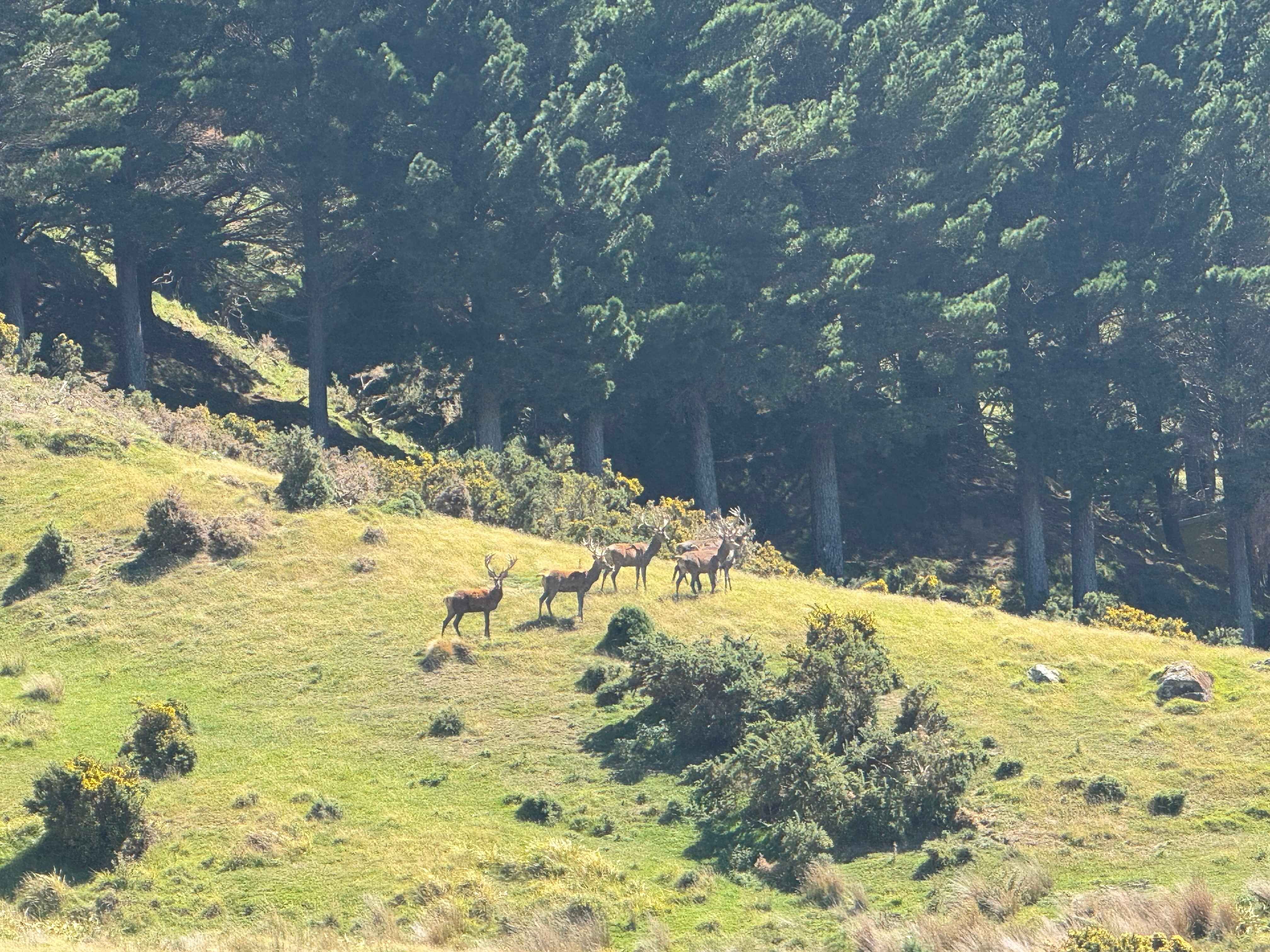
Q: Is there a "Best Time" to hunt? A: * The Roar (Late March – April): The most exciting time, as Red Stags are vocal and active.
Winter (May – August): Best for Fallow deer and for those who prefer cooler stalking weather.
Spring/Summer: Great for management (meat) hunts and enjoying the Beach Retreat for fishing and diving.
Q: What is the "Gathering" part of the experience? A: "True Kiwi Hospitality" means we don't just hunt; we live off the land. Depending on the season and tide, we often take guests down to the rocks to gather Paua (abalone) or out for a surfcast. It’s about experiencing the full coastal lifestyle.
Q: Do you cater to specific dietary requirements? A: Yes. Kim is an expert at "Station Cooking" and can accommodate gluten-free, keto, or allergy-specific diets. Just let us know in your booking form so we can stock the larder accordingly!
FAQ - Fitness & Safety
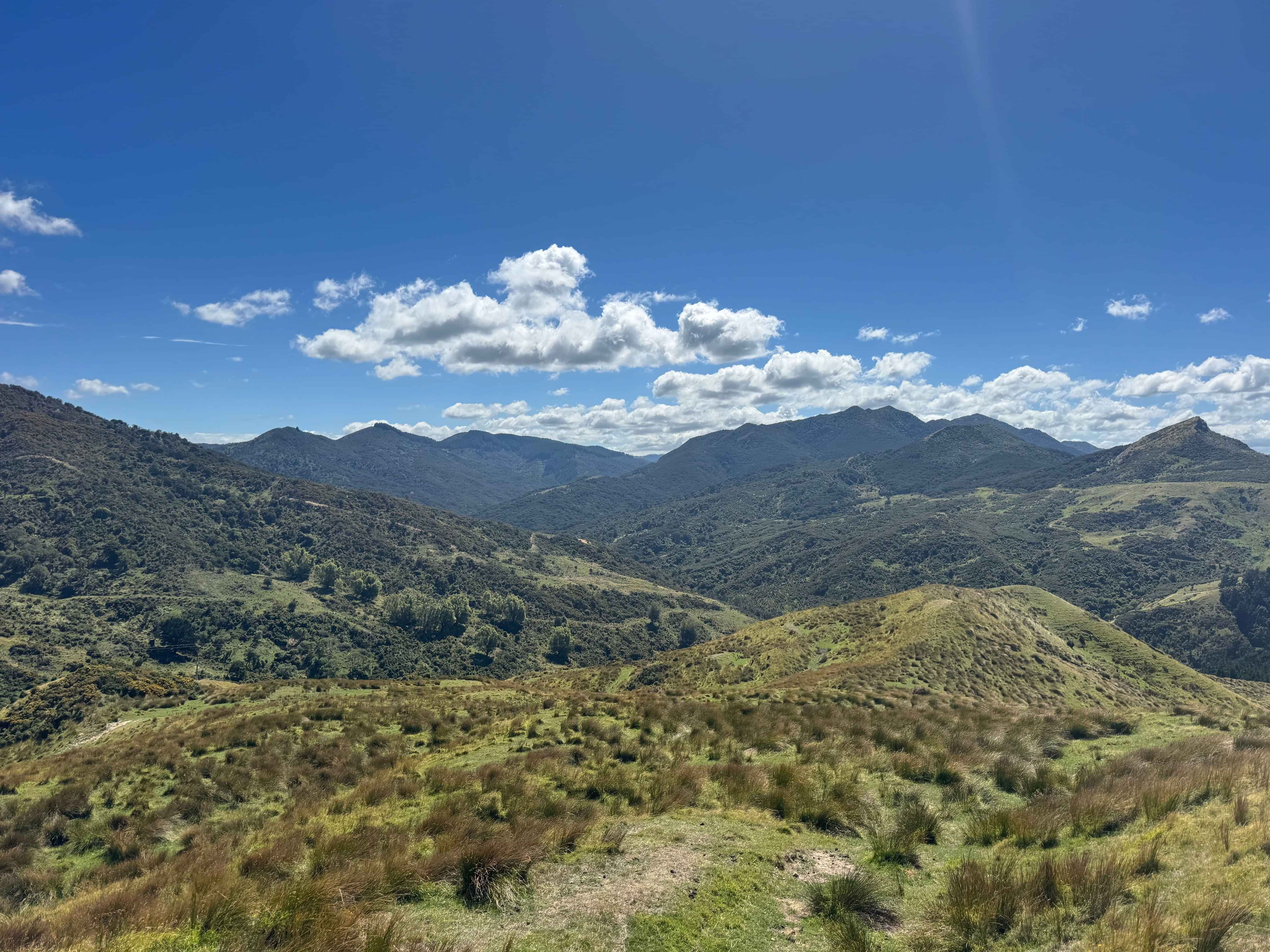
Q: How fit do I need to be? A: Our terrain ranges from rolling paddocks to steep, native-bush gullies. While we can use UTVs (side-by-sides) to access high points, a moderate level of walking fitness will greatly enhance your enjoyment. We always tailor the pace to the slowest member of the party.
Q: Is there cell service or WiFi at the station? A: We encourage guests to "unplug." Cell service is patchy at the main station and non-existent at the Beach Retreat. We do have satellite communication for emergencies, and WiFi is available at the main house if you need to check in with home.
FAQ - Packing for the Coast: Your Okau Hunting Checklist
The golden rule for New Zealand hunting is layering. You will likely start the morning in freezing mist and end the afternoon in t-shirt weather.
1. Clothing (The "Three-Layer" System)
Base Layers: 2–3 sets of high-quality Merino wool tops and leggings. (Merino stays warm even when wet and doesn't hold odors like synthetics).
Insulation Layer: A heavy fleece or a "puffer" down jacket for glassing (sitting still and watching for deer).
Outer Shell: A 100% waterproof and windproof hooded jacket. In NZ, the "Swandri" or a high-end Gore-Tex shell is essential.
Hunting Pants: Quiet, quick-dry trousers. Avoid denim—it gets heavy and cold when wet.
Headwear: A warm beanie for the mornings and a peaked cap/boonie hat for the midday sun.
2. Footwear
Boots: Sturdy, waterproof leather or synthetic hunting boots with high ankle support. Ensure they are well broken-in before you arrive to avoid blisters.
Socks: 3–4 pairs of thick wool-blend hunting socks.
Gaiters: Highly recommended. They keep seeds, water, and debris out of your boots and protect your laces from the scrub.
Camp Shoes: A pair of crocs, jandals (flip-flops), or light sneakers for relaxing at the Beach Retreat or Settlers Cottage.
3. Hunting Gear
Day Pack: A 25–35 liter pack with a rain cover.
Optics: 8x42 or 10x42 Binoculars (these are your most important tool!).
Rangefinder: Optional (your guide will have one, but it's handy to have your own).
Hydration: A 2L bladder or reusable water bottles.
Small Dry Bag: To keep your electronics and spare socks dry inside your pack.
4. Personal & Health
Sunscreen & Lip Balm: The New Zealand sun is famously harsh. Even on cloudy days, you will burn.
Insect Repellent: For the sandflies at the beach and forest.
Personal Meds: Including any allergy medication or anti-inflammatories for those long days on the hill.
Power Bank: For charging your phone/camera, especially if staying at the off-grid Beach Retreat.
5. International Travelers Special
Biosecurity Clean: Ensure your boots, gaiters, and tent (if bringing one) are spotlessly clean and free of any dirt or seeds. NZ Customs will fine you or confiscate gear that isn't clean.
NZeTA: A printed copy of your New Zealand Electronic Travel Authority.
Adapters: NZ uses Type I power plugs (three flat pins).
CONTACT
Okau Hunting New Zealand
Okau Station Mataikona
Masterton 5889 RD9
okauhunting@gmail.com
Phone: +64 6 372 6441
Mobile: +64 27 626 1474